Quick Summary
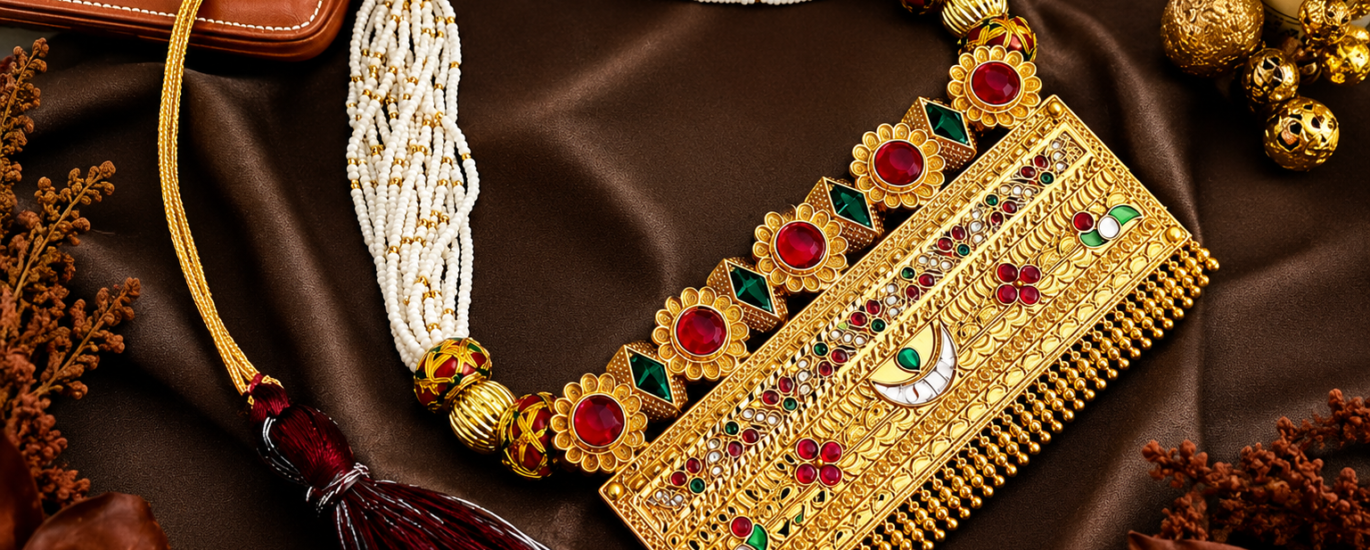
Traditional bridal jewellery is one of the most treasured elements of a Uttarakhand wedding. Every ornament, from the elegant Timaniya to the iconic Nath and Gulband, reflects generations of culture, craftsmanship, and family traditions. These timeless pieces of Regional Jewellery are more than decorative accessories—they symbolize blessings, prosperity, and the rich heritage of Garhwali weddings. In this guide, you’ll discover why these ornaments remain an essential part of every Uttarakhand bride’s wedding journey.
In This Blog, You’ll Learn
- Why traditional jewellery holds cultural importance in Uttarakhand.
- The significance of Timaniya in Garhwali bridal traditions.
- Essential bridal ornaments every Uttarakhand bride should own.
- How Regional Jewellery reflects Uttarakhand’s rich heritage.
- Why preserving traditional jewellery is important for future generations.
Introduction
Bridal jewellery has always been an important part of Uttarakhand’s wedding traditions. Every ornament worn by a bride represents love, prosperity, family values, and cultural identity. These beautiful pieces are often passed down through generations, making them priceless heirlooms that preserve family memories and traditions.
Among the many traditional ornaments, Timaniya is one of the most admired symbols of Garhwali culture. Along with ornaments like Nath, Gulband, Hansuli, and Paunji, it completes the bridal look while showcasing the exceptional craftsmanship found in Regional Jewellery. Whether you’re preparing for your wedding or learning about Uttarakhand’s traditions, understanding these ornaments helps you appreciate their timeless beauty and cultural significance.
Why Wedding Jewellery Holds Cultural Importance in Uttarakhand
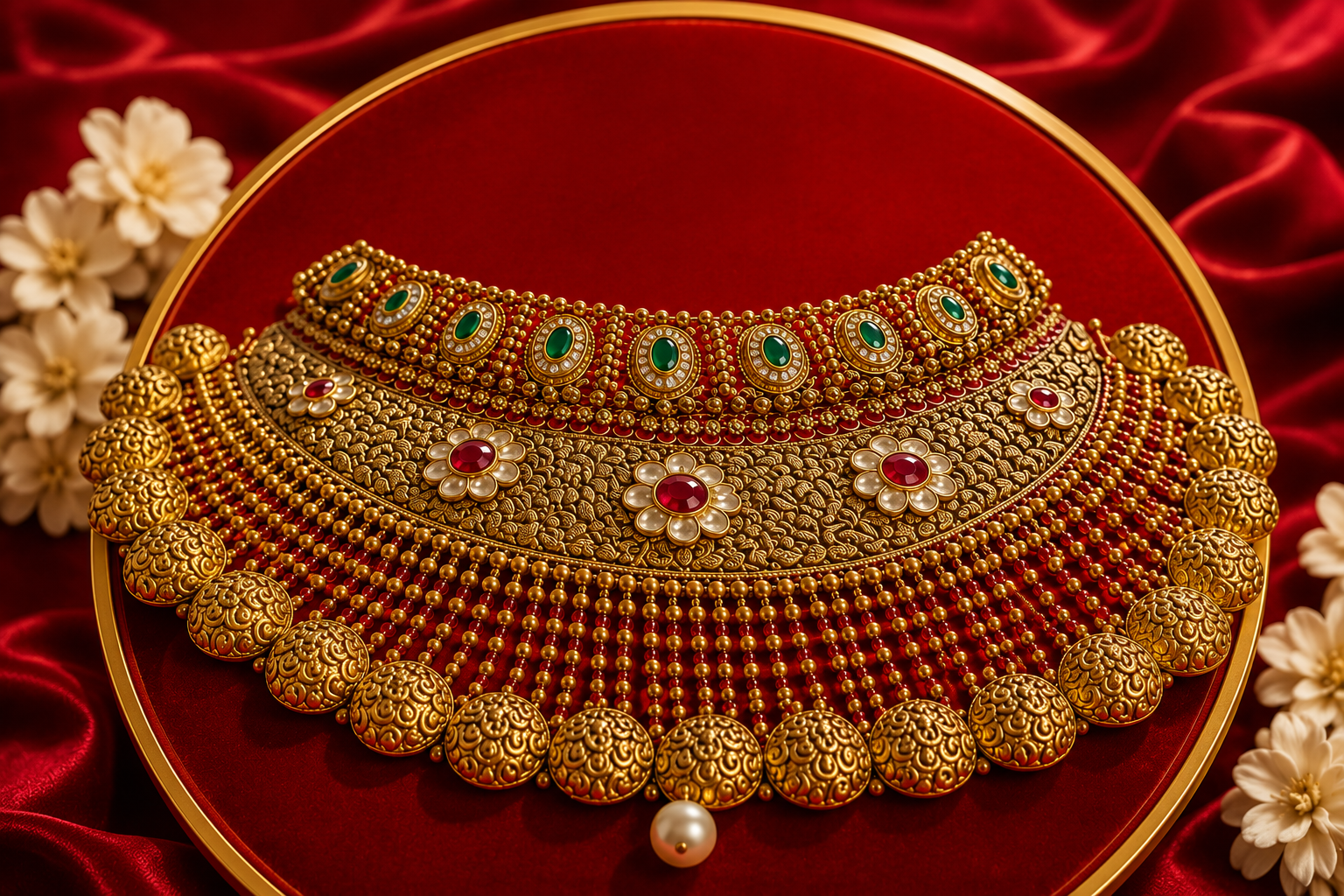
Wedding jewellery in Uttarakhand is much more than a beautiful accessory. It represents centuries of cultural heritage, family traditions, and skilled craftsmanship that have been preserved across generations. Every ornament worn during the wedding ceremony carries symbolic meaning and reflects the values, beliefs, and customs of the Garhwali community. These ornaments are often gifted by parents and grandparents, making them treasured family heirlooms that continue to strengthen emotional connections between generations.
Traditional Regional Jewellery also celebrates the artistic excellence of local craftsmen who carefully create each design using techniques passed down over many years. Among these ornaments, Timaniya continues to hold a special place because it symbolizes prosperity, marital happiness, and lifelong blessings. Even as bridal fashion evolves, traditional jewellery remains an essential part of Uttarakhand weddings because it allows brides to honour their heritage while embracing their new journey.
Why Traditional Bridal Jewellery Remains Important
- Represents Uttarakhand’s rich cultural heritage.
- Passed down through generations as family heirlooms.
- Symbolizes prosperity, happiness, and married life.
- Reflects the exceptional craftsmanship of local artisans.
- Plays an important role in traditional wedding ceremonies.
- Strengthens emotional bonds between families.
- Preserves the beauty of authentic Regional Jewellery.
- Makes timeless ornaments like Timaniya valuable for future generations.
Traditional jewellery continues to inspire modern brides because it combines cultural significance with timeless elegance. While contemporary jewellery designs continue to evolve, ornaments such as Timaniya remain deeply connected to Garhwali identity. Investing in authentic Regional Jewellery not only celebrates tradition but also helps preserve Uttarakhand’s remarkable jewellery-making heritage for generations to come.
Bridal Ornaments That Complete a Traditional Wedding Look
A traditional Uttarakhand bride wears jewellery that beautifully complements her bridal attire while reflecting the customs and heritage of her region. Every ornament has a unique purpose and cultural meaning, making the bridal ensemble far more meaningful than simply wearing decorative accessories. Together, these timeless pieces create a graceful look that celebrates family traditions, skilled craftsmanship, and the rich legacy of Garhwali weddings.
Among all traditional ornaments, Timaniya is one of the most recognizable and cherished necklaces worn by Garhwali brides. Alongside Timaniya, ornaments such as Nath, Gulband, Hansuli, Paunji, Chandrahaar, Tilhari, and Bichhuwa complete the bridal appearance with elegance and cultural significance. These handcrafted pieces of Regional Jewellery continue to remain an important part of Uttarakhand weddings because they beautifully preserve traditions while adapting to modern bridal fashion.
Essential Traditional Bridal Ornaments
- Timaniya – A traditional necklace symbolizing love, prosperity, and marital happiness.
- Garhwali Nath – A beautifully crafted bridal nose ring representing elegance and tradition.
- Gulband – A classic choker-style necklace admired for its intricate craftsmanship.
- Hansuli – A bold traditional necklace known for its timeless appeal.
- Paunji – Traditional bracelets symbolizing blessings and family prosperity.
- Chandrahaar – A layered necklace that adds grace and grandeur to the bridal look.
- Tilhari – A sacred ornament associated with marriage and lifelong commitment.
- Bichhuwa – Traditional toe rings symbolizing the beginning of a bride’s new life.
These ornaments together create a bridal look that reflects both beauty and cultural pride. Today, many brides choose to combine traditional jewellery with contemporary bridal outfits, allowing them to celebrate their roots while expressing their personal style. Authentic Timaniya and handcrafted Regional Jewellery continue to remain treasured heirlooms that preserve Uttarakhand’s traditions and showcase the exceptional artistry of local jewellers.
How to Match Jewellery with Different Bridal Outfits
Choosing the right jewellery is just as important as selecting the perfect bridal outfit. Every wedding function has its own style, and the jewellery should complement the attire without overpowering it. Traditional Regional Jewellery, especially the elegant Timaniya, blends beautifully with both classic and contemporary bridal wear. A balanced combination of ornaments helps create a graceful look while preserving the cultural charm of Uttarakhand’s wedding traditions.
Tips for Matching Bridal Jewellery
- Pair Timaniya with a traditional Pichora for an authentic Garhwali bridal look.
- Wear a Garhwali Nath with lehengas to create a traditional yet elegant appearance.
- Choose Gulband for sarees with simple necklines.
- Match gold jewellery with warm bridal colours like red, maroon, and green.
- Avoid layering too many heavy necklaces together.
- Balance statement jewellery with lighter earrings or bangles.
- Choose comfortable jewellery for long wedding ceremonies.
- Select ornaments that complement your bridal hairstyle.
- Wear different jewellery combinations for each wedding function.
- Blend traditional Regional Jewellery with modern bridal styling for a timeless look.
A thoughtfully selected jewellery combination enhances both the outfit and the bride’s personality. While modern bridal fashion offers endless styling possibilities, traditional ornaments such as Timaniya continue to remain timeless because they beautifully celebrate Garhwali heritage while complementing today’s bridal trends.
Factors to Consider Before Choosing Bridal Jewellery
Bridal jewellery is one of the most valuable investments made for a wedding, making it important to choose each piece carefully. Beyond appearance, brides should consider quality, authenticity, comfort, and craftsmanship before making their purchase. Selecting premium Regional Jewellery ensures that every ornament remains beautiful, durable, and meaningful for years to come.
Traditional pieces like Timaniya are often preserved as family heirlooms, making it even more important to invest in certified jewellery created by experienced artisans. A little attention before buying can help you choose jewellery that offers both emotional and financial value.
Things to Check Before Buying Bridal Jewellery
- Verify the BIS Hallmark on gold jewellery.
- Choose authentic handcrafted Regional Jewellery.
- Inspect the finishing and craftsmanship carefully.
- Ensure the jewellery feels comfortable to wear.
- Match ornaments with your bridal outfit.
- Understand making charges before purchasing.
- Request authenticity certificates.
- Ask about warranty and exchange policies.
- Compare quality rather than price alone.
- Invest in timeless pieces like Timaniya.
Choosing quality jewellery provides confidence not only on your wedding day but also for years afterward. Certified craftsmanship, premium materials, and traditional designs ensure that your bridal jewellery remains a treasured keepsake that can be passed down to future generations.
Caring for Wedding Jewellery After the Celebration
Wedding jewellery carries lifelong memories, making proper care essential after the celebrations are over. Traditional ornaments are often worn only during special occasions, so careful storage and regular maintenance help preserve their beauty and value. With proper care, heirloom pieces such as Timaniya can remain in excellent condition for generations.
Cleaning jewellery after every use and storing it correctly protects it from scratches, moisture, and tarnishing. Regular professional inspections also help maintain delicate craftsmanship and ensure every ornament continues to look its best.
Jewellery Care Tips
- Clean jewellery gently with a soft cloth after use.
- Store every ornament separately.
- Keep jewellery away from moisture and chemicals.
- Avoid spraying perfume directly on jewellery.
- Use soft-lined jewellery boxes for storage.
- Schedule professional cleaning once or twice a year.
- Preserve purchase invoices and certificates safely.
- Inspect clasps and stone settings regularly.
- Handle heirloom jewellery carefully during travel.
- Maintain Timaniya and other traditional ornaments with extra care.
Proper maintenance protects both the beauty and sentimental value of wedding jewellery. By caring for traditional Regional Jewellery correctly, families can preserve these treasured ornaments and continue passing them down as symbols of love, heritage, and celebration.
Conclusion
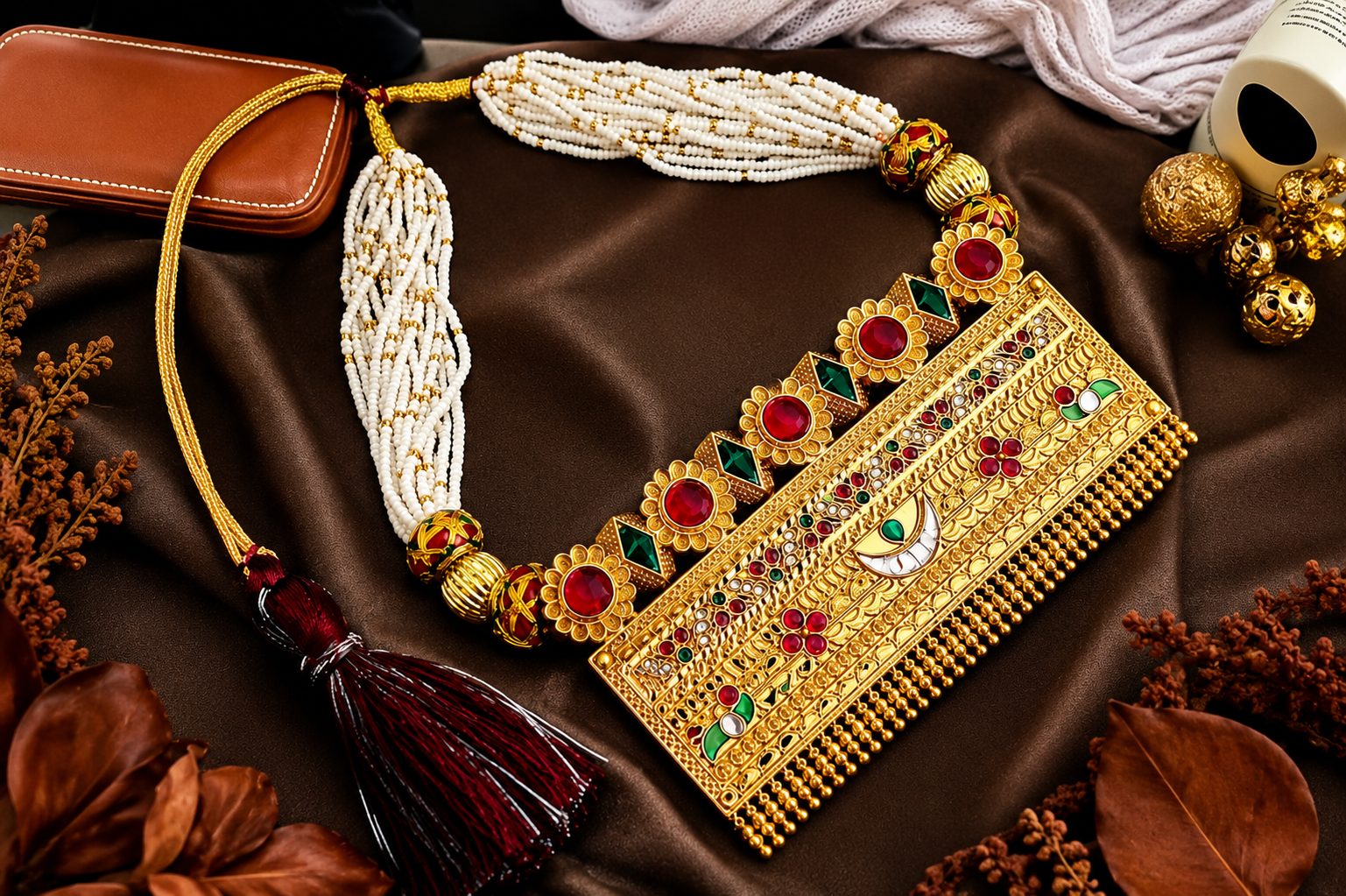
Traditional bridal jewellery is far more than a beautiful accessory—it represents Uttarakhand’s rich culture, family traditions, and timeless craftsmanship. Every ornament worn by a bride tells a story of heritage and symbolizes love, prosperity, and new beginnings. Among these treasured pieces, Timaniya continues to remain one of the most iconic symbols of Garhwali weddings, reflecting the elegance and authenticity of Regional Jewellery.
Whether you’re planning your wedding or exploring Uttarakhand’s cultural traditions, investing in authentic handcrafted jewellery ensures these beautiful customs continue for generations. By choosing quality craftsmanship and preserving these ornaments with care, every bride can celebrate her heritage while creating memories that last a lifetime. For more inspiration on traditional jewellery, timeless craftsmanship, and regional designs, you can also explore Frontier Jewellers
People Also Ask
What is Timaniya in Garhwali jewellery?
Timaniya is a traditional Garhwali necklace made of gold and black beads. It symbolizes marital happiness and is one of the most important ornaments worn by Uttarakhand brides.
Why is traditional jewellery important in Uttarakhand weddings?
Traditional jewellery represents family traditions, cultural heritage, prosperity, and blessings, making it an essential part of every wedding ceremony.
Which jewellery pieces complete a Garhwali bridal look?
Timaniya, Garhwali Nath, Gulband, Hansuli, Paunji, Chandrahaar, Tilhari, and Bichhuwa are among the most important bridal ornaments.
Can traditional jewellery be worn with modern bridal outfits?
Yes. Many brides pair traditional Regional Jewellery with modern lehengas and sarees to create a balanced and elegant bridal look.
How can I choose authentic traditional jewellery?
Purchase from trusted jewellers, check BIS Hallmark certification, inspect craftsmanship, and ask for authenticity certificates.
How should bridal jewellery be stored after the wedding?
Store each ornament separately in a soft-lined jewellery box, keep it away from moisture and chemicals, and clean it gently after every use.
Frequently Asked Questions
1. Why is Timaniya considered important in Garhwali weddings?
Timaniya symbolizes prosperity, marital happiness, and family traditions, making it one of the most treasured bridal ornaments.
2. Is Timaniya only worn by brides?
No. Although it is mainly associated with weddings, many women also wear Timaniya during festivals and cultural celebrations.
3. What is Regional Jewellery?
Regional Jewellery refers to traditional ornaments that represent the culture, craftsmanship, and heritage of a particular region, such as Garhwali jewellery from Uttarakhand.
4. Which jewellery pairs best with a Pichora?
Traditional ornaments like Timaniya, Garhwali Nath, Gulband, and Paunji beautifully complement a Pichora.
5. Should bridal jewellery always be made of gold?
Gold is the traditional choice, but many brides also select gemstone jewellery depending on their style and preferences.
6. How do I verify the purity of bridal jewellery?
Check for the BIS Hallmark and request a proper invoice and authenticity certificate from the jeweller.
7. Can traditional jewellery become a family heirloom?
Yes. Premium-quality handcrafted jewellery is often passed down through generations as a valuable family treasure.
8. How often should bridal jewellery be professionally cleaned?
Professional cleaning once or twice a year helps maintain its shine, durability, and craftsmanship.
9. What should I check before buying traditional jewellery?
Verify the BIS Hallmark, craftsmanship, finishing, authenticity, comfort, pricing, and warranty before purchasing.
10. Why should I invest in authentic Regional Jewellery?
Authentic Regional Jewellery preserves cultural heritage, offers superior craftsmanship, retains long-term value, and celebrates Uttarakhand’s timeless traditions.